As an Amazon Associate, we earn from qualifying purchases. Some links may be affiliate links at no extra cost to you. Although our opinions are based on curated research, we haven't used these products. Articles generated with AI.


The 5 Best Low Temperature Greases for Optimal Performance in Cold Conditions

When you’re dealing with cold conditions, choosing the right low-temperature grease is key. Try DuPont MOLYKOTE 33 Medium Grease, which works from -100ºF to 400ºF, and Molykote 33 Medium for precision machinery. For food processing, Wissxna Silicone Grease is a reliable option. Don’t overlook Lucas Oil 10533 White Lithium Grease for general use, and Timken GR224TUB for brake applications. These choices will keep things running smoothly, and there’s more to discover about selecting the right product!
Key Takeaways
- DuPont MOLYKOTE 33 Medium Extreme Low Temperature Grease operates effectively from -100ºF to 400ºF, making it ideal for refrigeration and automotive use.
- Molykote 33 Medium Grease is suitable for light load applications in cold environments, with a temperature range of -73°C to 180°C.
- Always check grease compatibility with materials like rubber and plastics to prevent chemical reactions that could lead to component failure.
- Select NLGI #2 viscosity for a well-balanced structure, ensuring grease performance maintains its integrity without turning to sludge in extreme cold.
- Consider eco-friendly greases free from harmful substances for effective lubrication while minimizing environmental impact and promoting sustainability.
DuPont MOLYKOTE 33 Medium Extreme Low Temperature Grease (5.3 oz)
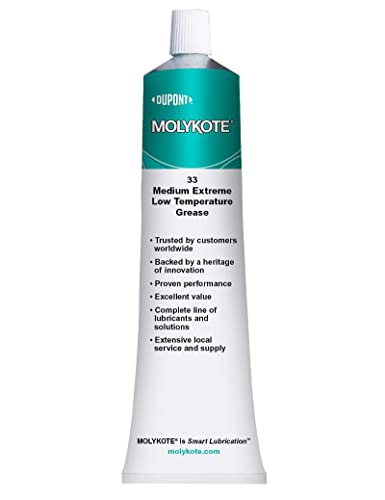
DuPont (Dow Corning) MOLYKOTE 33 Medium Extreme Low Temperature Grease - 5.3 oz
- Low evaporation. High oxidation resistance. Good resistance to water wash-out.
- Resistance moisture and corrosive atmospheres. Inertness. Good shear stability.
- Wide service temperature range: -100ºF to 400ºF (-73ºC to 204ºC). Compatible with many plastics.
If you’re dealing with equipment that operates in extremely low temperatures, DuPont MOLYKOTE 33 Medium Extreme Low Temperature Grease is a smart choice. This silicone grease, featuring Lithium Stearate, performs well in temperatures ranging from -100ºF to 400ºF. It’s perfect for lubricating ball bearings under light to moderate loads.
You’ll find it’s compatible with O-Rings as well as materials like rubber and plastics. Whether you’re maintaining freezer carts or electric clocks, this grease sticks around. With its economical usage, you won’t need to worry about slinging off, ensuring your equipment runs smoothly in the cold.
Best For: Those requiring reliable lubrication for equipment operating in extreme low temperatures, such as in refrigeration and automotive applications.
Pros:
- Excellent performance in temperatures from -100ºF to 400ºF.
- Compatible with a wide range of materials including rubber and plastics.
- Economical, as it requires only a small amount for effective use.
Cons:
- Not suitable for high-pressure applications without prior specification checks.
- May not be ideal for heavy load-bearing applications due to its light to moderate load capacity.
- Limited availability of historical branding, which may cause confusion for some users.
Molykote 33 Medium Grease Lubricant (100g)
For anyone working with machinery in cold environments, Molykote 33 Medium Grease is a top pick. This extreme low-temperature grease has a broad temperature range of -73°C to 180°C. You’ll find it’s water-resistant and compatible with most plastics, making it perfect for various applications, including electric motors and control cables.
When you need precise lubrication, this grease reduces friction, which can cut down on noise. Just remember, it’s designed for light loads, so it may not be suitable for heavy-duty tasks. Grab a 100g tube and keep your machinery running smoothly in the cold!
Best For: Those needing reliable lubrication for precision machinery operating in low-temperature environments.
Pros:
- Excellent oxidation resistance enhances longevity and performance.
- Compatible with various plastics and rubber, expanding usage options.
- Reduces friction, resulting in lower noise levels during operation.
Cons:
- Not suitable for high-load or heavy-duty applications.
- May show signs of aging in packaging over time.
- Limited availability in certain regions could affect accessibility.
Silicone Grease, Food Grade Sanitary Lubricant (2 Tubes)

Wissxna Silicone Grease, Food Grade Sanitary Lubricant, Machine Lube, Prevent Valves and O-Rings...
- SPECIAL FORMULA FOR GREAT PERFORMANCE - The Wissxna Silicone Grease is specially formulated with the highest quality silicone fluids and additives to meet the unique...
- PREVENTS VALVES & O-RINGS FROM STICKING - Wissxna Silicone Grease is designed to prevent valves and o-rings from sticking in both high temperatures and low...
- SAFE TO USE IN MULTIPLE SITUATIONS - The Wissxna Food Grade Silicone Grease Lubricant is safe to use in high vacuum or pressure systems to seal synthetic rubber and...
Wissxna Silicone Grease, the food grade sanitary lubricant, is perfect for anyone working in food processing or pet care. This two-tube pack gives you a reliable supply, designed specifically for food equipment. It’ll keep your valves and O-rings from sticking, ensuring smooth operation.
It’s chemical-resistant and works well in tough conditions, tolerating both high and low temperatures. You can also use it for medical syringes when administering medications to pets, providing peace of mind. Whether it’s kitchen appliances or gaskets, this versatile grease will save you time and hassle. Make sure to keep it out of children’s reach!
Best For: Food processing professionals and pet care providers seeking a reliable food-grade lubrication solution.
Pros:
- Highly effective in preventing sticking of valves and O-rings in food processing equipment.
- Chemically resistant and versatile for various applications including medical syringes for pets.
- Long-lasting with a shelf life of 3 years and comes with a 30-day worry-free purchase guarantee.
Cons:
- Choking hazard for small items; must be kept out of reach of children.
- Limited packaging options may not meet all customer preferences for larger quantities.
- Some users may find it overly thick for certain applications, requiring additional effort to apply.
Lucas Oil 10533 White Lithium Grease – 8 Ounce Squeeze Tube, 2 Pack

Lucas Oil 10533 White Lithium Grease - 8 Ounce Squeeze Tube, 2 Pack
- 2 Pack Value - Includes 2 Tubes - Meets NLGI-2 performance
- Long lasting
- Reduces wear
Lucas Oil 10533 White Lithium Grease is a great choice for anyone looking to keep household items running smoothly, especially in cold conditions. This 8-ounce squeeze tube comes in a handy two-pack, so you’ll always have some on hand when you need it.
This grease reduces wear on important parts like garage doors, hinges, and springs. With its NLGI-2 performance, it’s long-lasting and cuts down on friction. Just a little goes a long way to keep your items operating efficiently, preventing rust and ensuring they work when you need them the most.
Best For: Homeowners and DIY enthusiasts looking to maintain and lubricate various household items and mechanisms.
Pros:
- Long-lasting formula that meets NLGI-2 performance standards.
- Reduces wear and extends the life of crucial components like garage doors and hinges.
- Easy to apply with a convenient 8-ounce squeeze tube design.
Cons:
- May not be suitable for high-temperature applications as it is designed for general household use.
- Can be messy if excess is applied during use.
- Limited to specific applications, which may not meet all lubrication needs.
Timken GR224TUB Grease
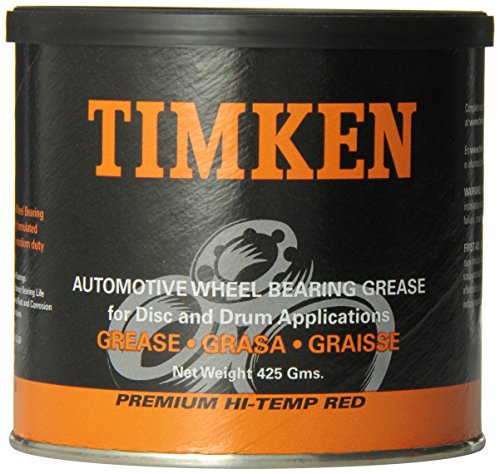
TIMKEN GR224TUB Grease
- One Grease Formula for both Disc and Drum Applications
- Corrosion inhibitors
- Anti-wear additives
Timken GR224TUB grease is ideal for anyone needing a reliable lubricant for both disc and drum brake applications. This lithium-based grease comes in a 0.4-liter cartridge and weighs one pound, making it convenient to handle. It features corrosion inhibitors and anti-wear additives, ensuring your brakes perform well even in harsh conditions.
With a stellar 4.8 out of 5 stars from nearly 1,000 reviews, users trust Timken for quality. Just keep an eye out for packaging issues; some containers might arrive less than full. Overall, it’s a solid choice for keeping your braking system smooth and efficient.
Best For: Automotive enthusiasts and professionals looking for a high-quality lubricant for disc and drum brake applications.
Pros:
- Exceptional performance with corrosion inhibitors and anti-wear additives.
- Convenient and reusable high-impact container for easy handling.
- Excellent customer satisfaction rating of 4.8 out of 5 stars.
Cons:
- Some users have reported packaging issues, with containers arriving only half full.
- Limited options for applications outside of automotive uses.
- A single formula may not meet all specific lubrication requirements in specialized situations.
Factors to Consider When Choosing Low Temperature Grease

When you’re picking low temperature grease, there are a few key points you should think about. First, consider the temperature range the grease needs to handle; not all greases perform well in extreme cold. You’ll also want to evaluate material compatibility, viscosity, and how the grease will perform for your specific application, ensuring it meets your needs.
Temperature Range Assessment
Choosing the right low temperature grease involves understanding its temperature range, which is essential for ideal performance. You’ll often find options ranging from -100°F (-73°C) to 400°F (204°C), so make sure to check the specifications. Not all greases handle cold equally; some have low-end temperature limits that may not suit your needs.
Consider the viscosity of the base oil—this affects how well the grease flows and lubricates in chilly conditions. Many low temperature greases contain thickeners like Lithium Stearate, enhancing performance at sub-zero temps. Finally, aim for an NLGI Grade of 2. It strikes a good balance between consistency and application ease, keeping your machinery running smoothly when it’s cold outside.
Material Compatibility Evaluation
Before you plunge into choosing a low temperature grease, it’s essential to think about how it’ll interact with the materials in your application. Check the compatibility with common materials like rubber (EPDM, Buna), plastics, and metals. You don’t want a chemical reaction that could degrade or fail components.
Also, look at the grease’s thickeners—like lithium or silicone—that enhance stability. Consider if it’ll perform well at the lowest temperatures while still being safe for your materials. Don’t forget to review its resistance to oxidation and water; these factors can change performance based on environment. Finally, always follow manufacturer recommendations to avoid premature wear or mishaps. The right grease makes all the difference!
Viscosity Selection Criteria
Understanding viscosity is essential for picking the right low temperature grease. It’s measured in centistokes (cSt) and tells you how well the grease flows in cold conditions. For most applications, NLGI #2 is a solid choice since it balances structure and performance.
If you’re facing extreme cold, consider a grease with lower viscosity. This lets it flow better and reduces friction, which is key when temperatures drop considerably. Also, check the base oil viscosity at around 40°C; this gives insight into how the grease behaves under normal working conditions. Finally, be mindful of the thickener’s compatibility—lithium-based thickeners often work best in low temperatures, ensuring stability and effectiveness.
Application Specific Requirements
When dealing with low temperature greases, it’s key to guarantee that the grease matches the specific temperature range your application demands. Check if the grease performs well in the extremes of -100ºF to 400ºF (-73ºC to 204ºC).
Next, think about the load conditions. Some greases handle light loads, while others work best under moderate pressures.
Also, consider compatibility with materials like O-rings and plastics—this prevents issues like degradation.
Don’t forget to evaluate resistance to water and oxidation, as this will affect how long the grease lasts in tough conditions.
Finally, if you’re working with electronics or sensitive machinery, you might need non-conductive greases for peak performance.
Consistency and Performance
Choosing the right low temperature grease isn’t just about picking any brand off the shelf; it’s vital to understand its consistency and performance. First, check the NLGI rating—NLGI #2 is a solid option for striking a balance between lubrication and pumpability in cold temperatures.
Next, guarantee the grease maintains its viscosity when it gets freezing; you don’t want it turning into sludge. Compatibility with materials like plastics and elastomers matters, too, to prevent any nasty surprises during usage. Also, look for good resistance to water and oxidation. These features help the grease last longer and perform better, especially in harsh conditions. Finally, check the base oil viscosity at 40°C for flow characteristics—it’s critical for maintaining lubrication.
Environmental Considerations
While selecting low temperature grease, it’s important to ponder its environmental impact. Look for greases that don’t contain harmful substances like PTFE and PFAS. Eco-friendly options can perform just as well while reducing negative effects on the environment.
Next, consider compatibility. Your grease should work well with materials like plastics and elastomers. This helps increase longevity and minimizes waste.
Also, you should prefer greases that maintain their viscosity in cold conditions. This prevents machinery failures and saves you money in the long run. Ultimately, biodegradable greases are becoming more popular and can provide effective lubrication without causing harm when accidents happen. Choosing wisely means protecting both your equipment and the planet.
Frequently Asked Questions
How Do I Apply Low Temperature Grease Effectively?
You want to avoid a situation where your machinery sounds like a rusty old jalopy, right? Start by cleaning the surfaces to remove old grease and dirt. Use a grease gun for precision; it’ll help you apply just the right amount. Make sure your grease is at the recommended temperature before application. Finally, check the manufacturer’s instructions for specific guidance on your equipment. It’s that simple—smooth operation awaits!
What Temperature Range Do Low Temperature Greases Typically Cover?
Typical Temperature Range
Low temperature greases generally cover a range from around -40°F to 32°F (-40°C to 0°C). Some specialized greases can handle even lower temperatures, reaching -60°F. You’ll want to check the label for specifics, as performance varies by brand. If you often deal with extreme cold, it’s worth investing in greases designed for those conditions. Your equipment will thank you with smoother operation in chilly weather!
Can Low Temperature Grease Be Used in High Temperatures?
No, it’s not a good idea. Low temperature grease is designed to stay fluid in cold conditions, but it can break down under high heat. This breakdown might cause it to lose its lubricating properties, leading to wear on your machinery. If you need grease for high temperatures, look for a product specifically made for that range. Matching grease to temperature guarantees better performance and longer equipment life.
How Often Should I Reapply Low Temperature Grease?
You should reapply low temperature grease every three to six months, depending on use. If you’re using equipment in extreme cold, check more often—monthly might be safer. Look out for signs like squeaking or stiffness; that’s a clue it’s time to grease up again. Remember, a little maintenance goes a long way in keeping things running smoothly. Stay ahead of problems by being proactive!
Are There Specific Applications Where Low Temperature Grease Is Unnecessary?
You don’t always need low temperature grease. If you’re working with equipment that doesn’t experience cold conditions, like indoor machinery, regular grease is just fine. Also, in heat-sensitive areas, using low temp grease might not be ideal since it can break down faster. Think of your lawnmower or car—these typically don’t need specialized grease unless you’re operating them in very frigid temperatures. So, stick with what’s suitable for your climate!


