


Yes, de-icers can damage car paint and glass if we’re not careful. Many contain corrosive ingredients like sodium and calcium chloride, which can lead to fading or even rust on our vehicles. It’s best to use products made for automotive surfaces and to clean off any residue. Regular maintenance, like washing and waxing, can help protect our cars. Curious about the signs of damage or safer options? Let’s explore that!
Key Takeaways
- Most commercial de-icers are designed to be safe for automotive paint and glass when used as directed.
- Sodium chloride and calcium chloride can cause fading and clear coat failure on car paint.
- Homemade de-icers, like vinegar and salt, may damage paint and seals, so they should be avoided.
- Regular washing off de-icer residues helps maintain paint condition and prevents corrosion.
- Using eco-friendly and biodegradable de-icers can minimize potential damage to vehicles.
Understanding De-Icers and Their Formulations
When winter hits, we often find ourselves battling ice and snow on our roads and driveways. To tackle this, we need to understand de-icer effectiveness and the various de-icer formulations available. The most common de-icers include sodium chloride, magnesium chloride, and calcium chloride.
There are two types: granular and liquid. Granular de-icers are great for heavy snow, while liquid ones are effective for pre-storm treatments. Remember, different applications require different formulations. For instance, aviation uses ethylene glycol for its powerful de-icing properties. Additionally, methanol-based de-icers, such as Prestone AS244, provide fast-acting ice melting efficiency, making them a reliable option for winter road safety.
It’s essential to also consider the environmental impact since some de-icers can affect water sources. So, let’s choose wisely to keep our roads safe while also caring for our planet!
The Impact of De-Icers on Car Paint

De-icers may keep our driveways clear and our morning commutes safer, but they can also harm our car’s paint if we’re not careful. Common de-icer types, like calcium and magnesium chloride, can lead to fading and clear coat failure over time. To protect our cars, we should prioritize paint maintenance. Regularly washing off de-icer residues with soap and water is a must.
Using softer ice melters, like vinegar-based formulas, can help too, but they might strip protective wax. So, don’t skip re-waxing! And let’s keep an eye on any chips or scratches. Repairing them quickly prevents salt from sneaking in and causing rust. Additionally, opting for biodegradable de-icers helps minimize potential damage while still keeping surfaces safe. Keeping our cars clean and maintained makes all the difference!
How De-Icers Affect Car Glass

While we all appreciate a clear windshield on a frosty morning, using de-icers can be a bit tricky. To guarantee we protect our glass, we need to follow some basic de-icer safety measures. For starters, avoid pouring hot water on iced glass; it can cause thermal shock, leading to cracks. Instead, opt for commercial de-icers designed for automotive glass.
Be sure to promptly wipe away any excess residue to prevent streaks. Remember, using plastic scrapers made for ice removal is key; metal tools can scratch the surface. To maintain our windshield’s seals, we should ideally use de-icers labeled safe for rubber. Additionally, choosing eco-friendly formulations can help minimize any potential harm to the vehicle’s surfaces. By applying these simple windshield maintenance techniques, we’ll keep our views clear and our cars in good shape!
Corrosive Components in Common De-Icers
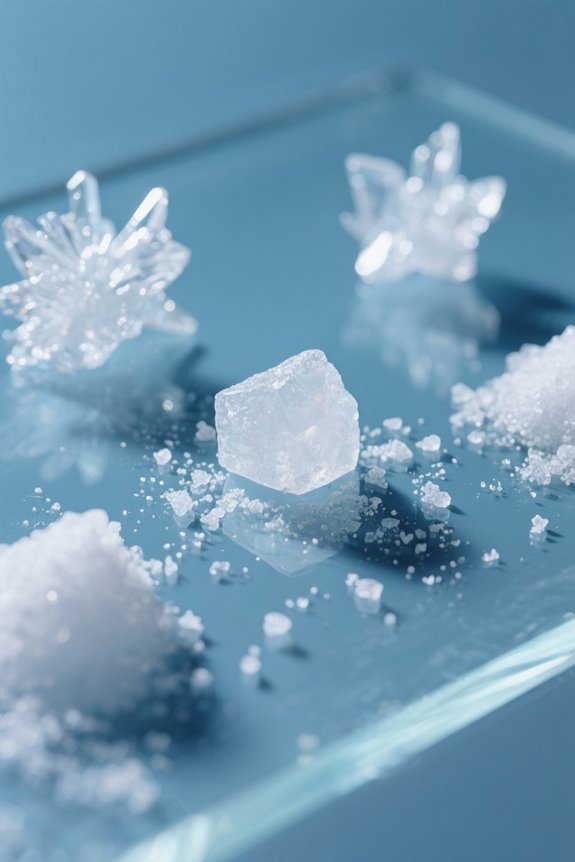
Although we all want to keep our driveways safe and ice-free, the de-icers we use can be tough on our cars if we’re not careful. Most commonly, we find sodium chloride, calcium chloride, and magnesium chloride in these products. Each has its pros, but their de-icer composition is what we need to worry about regarding chloride impacts.
These chlorides can cause corrosion through electrochemical reactions, penetrating our car’s protective coatings. Regular exposure can lead to cosmetic issues, like paint blemishes, and structural damage, such as rust. We should consider using alternatives, like calcium magnesium acetate, even though they might be pricier. In the end, being cautious with de-icers can save our vehicles from unnecessary harm. Additionally, choosing biodegradable de-icers can help minimize long-term environmental impacts while still protecting your vehicle.
Environmental Concerns Related to De-Icers

It’s not just our cars that feel the impact of de-icers; the environment takes a hit too. The de-icer toxicity of common road salts can contaminate our soil and water. For instance, about 30% of road salt washes into lakes and rivers, harming aquatic life. Even one teaspoon of salt can pollute five gallons of water permanently!
Plus, some de-icers made from urea can lead to nutrient overload, causing algae blooms that drain oxygen from ponds and streams, making it harder for fish to survive. Additionally, opting for eco-friendly options like beet juice ice melts can help minimize these environmental effects while still effectively managing ice.
Best Practices for Using De-Icers Safely
When we’re dealing with icy conditions, knowing how to use de-icers safely can save our cars from damage. First, let’s choose commercially available de-icer sprays made for automotive glass. Remember to apply a thin, even layer. Too much de-icer can drip and harm paint or rubber. We should only use these products when temperatures are below freezing.
When scraping, we should stick to official ice scrapers. Avoid using tools like credit cards that can scratch. Regularly clean the scraper blade to prevent any debris damage. Finally, warming up our car gradually helps avoid thermal shock. Following these best practices guarantees the safe usage of de-icers while protecting our vehicles from harm. Additionally, selecting de-icers that are safe for all car finishes can minimize the risk of damaging paint and rubber components.
Protecting Your Vehicle From De-Icer Damage
To keep our vehicles safe from the harmful effects of de-icers, we need to take a few proactive steps. Regular washing and waxing create essential protective coatings that fend off winter chemicals. By washing every 1-2 weeks, we can reduce corrosive agent build-up.
It’s also smart to apply high-quality wax monthly—it forms a hydrophobic barrier, minimizing damage from de-icers. When winter hits, let’s make certain we repair any scratches or chips to prevent rust.
Choosing “paint-safe” de-icing products is critical, too. Let’s avoid those harsh homemade concoctions. Additionally, using pet-safe de-icers can help ensure that the products we apply are less likely to harm our car’s finish while protecting our furry friends. With these winter maintenance habits, we’ll keep our cars looking good and protect them from the elements!
The Role of Road Salt in Elevated Risks
Although we might be grateful for road salt keeping our driveways clear during winter, it can also pose serious risks to our vehicles. This is especially true with the infamous salt spray that clings to our cars, leading to corrosion. When we overlook vehicle maintenance, tiny salt crystals can scratch the paint, exposing metal and causing rust.
The undercarriage, brake lines, and fuel lines are particularly vulnerable, risking our safety. Did you know that regular washing can help? Washing frequently removes harmful salt residue and keeps our cars looking good. Applying a protective wax before winter can create an extra shield against these risks. Additionally, using products like calcium chloride ice melts can minimize the amount of harmful residue left on your vehicle. Let’s take care of our rides so they can take care of us!
Myths vs. Facts About De-Icers
While we all want to keep our cars safe from icy conditions, there are plenty of myths swirling around de-icers that can lead us astray. One common myth is that de-icers damage modern car paint. In reality, most de-icers are safe for paintwork, but they can strip wax protection if used frequently. Remember, it’s not just the de-icer; road salts can cause more harm.
Another myth is that homemade solutions are safer. Unfortunately, vinegar and salt can actually damage paint and seals. To protect our vehicles, we should stick to commercial de-icers that are designed with paint protection in mind. Always wipe off any residue from glass surfaces to prevent streaks, and use them wisely to keep our cars looking great. Additionally, using products like propylene glycol de-icers can offer a non-toxic solution that is safe for both vehicles and the environment.
Signs of Damage From De-Icers to Watch for
We should also look for corrosion signs like scratches or chips, which can allow rust to form underneath our paint. If we see streaks on our glass, it’s a sign that the de-icers may not be cleaning up well. Let’s wash our cars thoroughly and keep an eye out for these issues, ensuring our vehicles remain in great shape all winter long! Additionally, monitoring for battery health issues can prevent unexpected vehicle breakdowns caused by winter conditions.
Eco-Friendly Alternatives to Traditional De-Icers
What if we could keep our driveways and walkways clear without harming the environment? We can definitely explore better choices! Eco-friendly products like Snow Joe Melt2Go or SafePaw use biodegradable ingredients that are safe for our pets and plants.
Another great option is calcium magnesium acetate (CMA), which prevents ice bonding without damaging concrete or aquatic life. Or consider homemade de-icers, like a mix of sugar and salt, which lowers the melting point and is less harmful.
Oh, and let’s not forget about using sand or sawdust for traction; it’s cost-effective and safe for the environment. By choosing these alternatives, we can make a positive impact this winter!
Frequently Asked Questions
Can I Mix Different De-Icers for Better Results?
Mixing de-icer combinations is like crafting a perfect recipe; it can enhance effectiveness greatly. Through our effectiveness analysis, we find that strategic blends can markedly improve performance while balancing cost and environmental impact. Let’s explore together!
How Often Should I Wash My Car in Winter?
In winter, we should wash our cars every two weeks to avoid salt damage. Using safe materials helps protect our paint, and consistent winter washing keeps our vehicles looking great and performing safely together.
Do Heated Windshields Affect De-Icer Effectiveness?
Heated windshields notably enhance de-icer effectiveness, creating beneficial relationships between heat and chemical reactions. By using both, we can improve ice removal rates, reduce wait times, and enhance safety on those chilly winter mornings together.
Are Homemade De-Icers Safe for My Car?
Homemade de-icers can be a mixed bag. While some recipes work wonders, we’ve got to watch out for certain ingredients. Let’s keep our cars safe by using caution with those homemade de-icer ingredients and testing first.
What Temperature Is Best for Applying De-Icers?
The ideal application temperature for de-icers is around 32°F (0°C). This helps maximize de-icer efficiency factors, ensuring quick results. Let’s always remember, using them in the right conditions makes a difference in effectiveness!


