


When using heated seats, we should prioritize safety features like thermostat protection mechanisms and automatic shut-off timers. These tools help prevent overheating by regulating seat temperatures and switching off after a certain time. Look for models with safety certifications, as these guarantee the product meets safety standards. Also, be mindful of materials used; insulated fabrics can reduce burn risks. If we plan ahead, we can enjoy warmth without worry, and there’s more to reflect on as we explore further.
Key Takeaways
- Thermal Cut-off Switches: Automatically shut off power to prevent overheating, enhancing user safety during prolonged use of heated seats.
- Automatic Shut-off Timers: Activate after a set period, minimizing the risk of burns and ensuring safe operation.
- Insulated Materials: Reduce the risk of burns by preventing excessive heat transfer to seat fabrics, promoting comfortable and safe use.
- Safety Certifications: Look for products with certifications from recognized organizations to ensure compliance with safety standards and regulations.
- Regular Inspections: Regularly check heated components for wear or damage to maintain safety and effective performance during use.
Thermostat Protection Mechanisms
When we think about heated seats, it’s easy to imagine cozy warmth, right? But behind that comfort lies smart technology designed to keep us safe. Thermostat calibration is essential for ensuring our seats don’t get too hot. Different mechanisms play important roles in this protection.
Mechanical thermostats rely on simple strips that open or close circuits based on temperature feedback. In contrast, electronic thermostats offer digital precision, sensing heat levels more accurately. Additionally, safety features like shut-off timers and temperature limiters kick in to prevent overheating. Ensuring that heated seat covers include overheat protection features is crucial for maintaining user safety and comfort.
Advanced Heating Elements
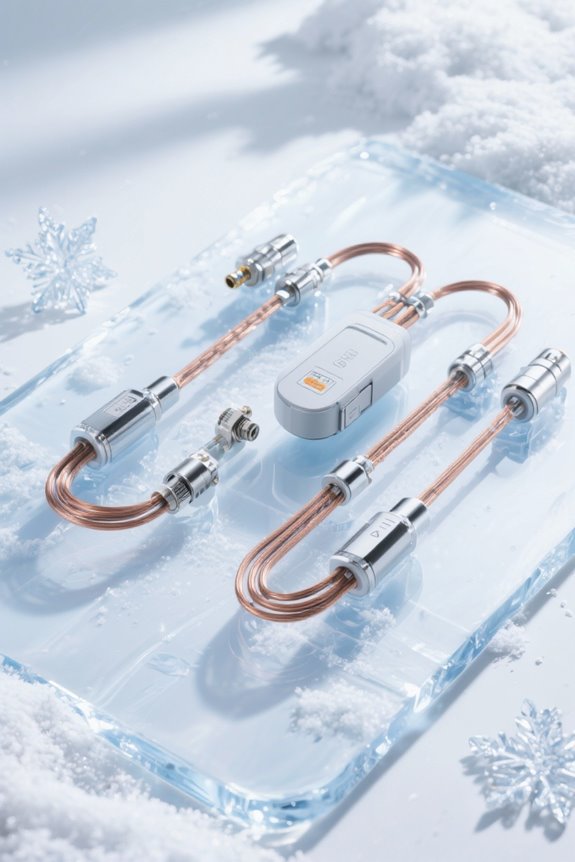
Even if we’re just looking to stay warm, advanced heating elements in our car seats contribute a lot more than comfort. Take carbon fiber heating cables, for instance; they deliver an even warmth that feels cozy across the entire seat. They work efficiently, so we can enjoy heat quickly without cranking up the power.
Another option is printed silver electrodes. These lightweight, thin heaters are integrated directly into the seat layers and offer high heating density. They resist overheating and burnout better than traditional wire systems. Plus, with methods like pressure injection molding, these elements fit snugly in our seats, ensuring a consistent and comfortable heat experience. This combination of innovation keeps us warm while enhancing our ride. Additionally, safety features like overheating protection ensure safe operation during use.
Importance of Safety Certifications
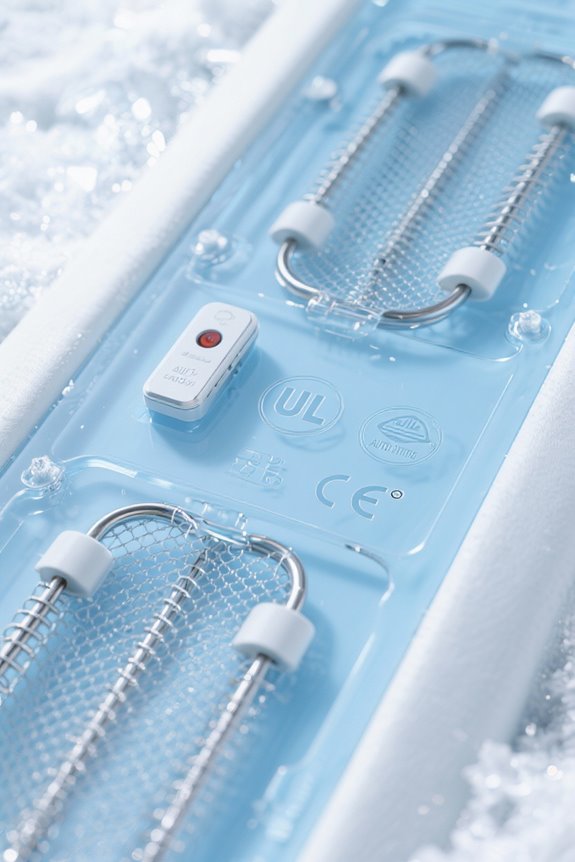
The Importance of Safety Certifications****
Though we might think that all seat warmers are created equal, that’s not always the case. The safety certification impact can’t be overlooked. Many seat warmers lack mandatory safety standards, which increases risks for consumers like us. It’s crucial that we look for products certified by reputable organizations.
Safety certifications guarantee that seat warmers meet specific standards, such as temperature limits to prevent burns. For example, the Society of Automotive Engineers recommends safe temperature guidelines. Being aware of such certifications helps us choose products that prioritize our safety. Additionally, considering safety features in car heaters, like built-in fuses and automatic power-off, can further enhance our protection during use. So let’s be proactive! When shopping, always check for official safety seals. It’s a simple step that makes a big difference in guaranteeing our comfort and safety.
Material Selection for Optimal Safety

While we might be keen to choose the coziest seat warmer, we should remember that the materials used can greatly impact both our safety and comfort. It’s crucial to reflect on material thickness; thinner materials allow for better heat transfer without excessive power use, keeping us warm without overheating.
Furthermore, we should prioritize fire resistance. Fabrics like neoprene can offer solid protection against flames, reducing fire hazards in case of electrical faults. Breathable materials help prevent moisture buildup and guarantee even heat distribution, which is essential. Additionally, choosing options with automatic shut-off features can enhance safety by preventing overheating. So, whether it’s selecting a seat warmer for a chilly morning or a long road trip, paying attention to these material factors will enhance both our comfort and safety in the car.
Understanding Safety Standards and Regulations

To guarantee our seat warmers keep us cozy without risking our safety, it’s essential to understand the existing safety standards and regulations. Unfortunately, we face regulatory gaps, as the National Highway Traffic Safety Administration (NHTSA) doesn’t enforce any federal standards for seat warmer temperatures. Instead, automakers follow voluntary guidelines, like SAE J3047, which recommend a maximum surface temperature, but these aren’t legally binding.
This leaves us relying on manufacturers to prioritize our safety. Consumer awareness is vital; by knowing the risks, we can make informed choices. Let’s advocate for better regulations and practices that limit maximum temperatures, ensuring our warmth doesn’t come at a cost. Our safety should always come first—let’s stay educated! Additionally, understanding safety features in automotive products can help consumers choose safer options.
Common Safety Hazards Associated With Heated Seats
When we think about the comfort of heated seats, we often forget the potential risks they can bring. Chair heaters can malfunction, leading to severe overheating. For those with reduced sensation, like people with paralysis or diabetes, this risk is even higher. Unfortunately, burns can occur in less than ten minutes if the seat temperature exceeds 120°F.
To promote burn injury prevention, it’s essential to use seat heaters wisely. We should avoid long periods of use and regularly check seat temperatures if possible. Additionally, stay informed about recalls or complaints related to seat heater malfunctions in your vehicle. Remember, our comfort shouldn’t come at the expense of safety! Moreover, it’s crucial to consider safety features like automatic power-off protection to enhance your overall safety when using heated seats.
Technological Advancements for Enhanced Safety
As we enjoy the comforts of heated seats, it’s crucial to remember that advancements in technology have made these systems safer than ever. New features, like CoreHeat™ technology, maintain a safe temperature, preventing overheating. Plus, with multiple sensors actively monitoring the seat temperature, we can count on consistent heat distribution, reducing the risk of burns.
These systems are energy-efficient, using materials like carbon fiber, which heats up quickly and evenly. Multi-zone heating allows us to customize warmth for different areas, boosting user comfort. Additionally, weight sensors automatically activate seat warmers only when needed, enhancing safety. These innovations guarantee that our driving experience remains cozy without compromising on security. Most seat heaters include adjustable heat settings and automatic shutoff features, ensuring added safety during use. Isn’t that a win-win?
Best Practices for Safe Use of Heated Seats
Enjoying heated seats is all about comfort, but there’s a smart way to use them safely. First, we should always follow user guidelines, like limiting continuous use. Manufacturers often provide automatic shut-off timers—let’s make good use of them! It’s essential to regularly check the seat temperature, especially if there’s no visual indicator.
For vulnerable groups like kids and seniors, user education is imperative. They should be particularly careful, given their increased burn risk. Avoid placing blankets or covers that could trap heat, and don’t poke sharp objects into the seats. Finally, let’s routinely inspect our heated components to confirm they’re functioning correctly, keeping our rides cozy and safe! Additionally, ensuring that our heated cushions have safety features such as overheat protection can provide extra peace of mind during use.
Frequently Asked Questions
Can Heated Seats Cause Allergies or Skin Irritations?
Yes, heated seats can cause skin irritations, especially for those with skin sensitivity. The materials used in heated seats may exacerbate reactions, so we recommend monitoring our skin and limiting exposure to maintain comfort.
What Should I Do if My Heated Seat Malfunctions?
If our heated seat malfunctions, we should start with a seat inspection, checking fuses and connectors. From there, we can decide on a seat repair to restore that cozy comfort we all cherish.
Are Heated Seats Safe for Pregnant Women?
Heated seats are generally safe for us during pregnancy. They provide comfort and relief, helping ease back pain. By using them wisely, we can enjoy our journeys without worrying about excessive heat affecting our pregnancy comfort.
How Do I Choose a Heated Seat for My Vehicle?
When we’re choosing heated seats for our vehicle, let’s consider different heated seat types and installation options. We find models with user-friendly features, ensuring our comfort and safety on every journey together.
What’s the Average Lifespan of a Heated Seat?
Heated seats typically last between 5 to 10 years, depending on the quality of seat materials and heating technology used. We should guarantee proper care to maximize their lifespan and comfort, enjoying cozy rides together.


